Perspex
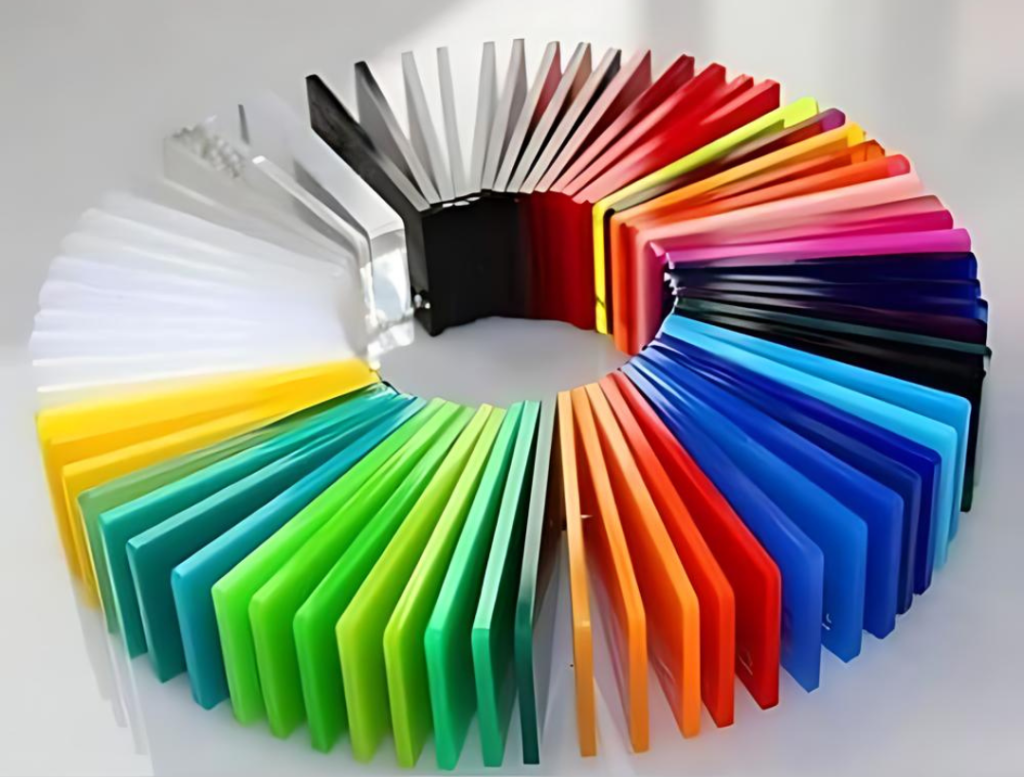
Perspex is a brand name for acrylic glass (also known as PMMA – polymethyl methacrylate). It is a lightweight, shatter-resistant, and transparent plastic material that serves as an alternative to glass.
Uses of Perspex:
- Signage & Displays – Used for shop signs, LED displays, and exhibition stands.
- Windows & Barriers – Used in safety screens, machine guards, and protective barriers.
- Furniture & Interior Design – Used for tabletops, shelves, and decorative panels.
- Packaging & Prototyping – Used in product casings and innovative design projects.
- Medical & Industrial Applications – Used in protective shields, medical equipment, and laboratory enclosures.
Perspex is highly durable, weather-resistant, and can be easily cut, shaped, or polished, making it versatile for many applications.
Aluminum
Aluminum is a lightweight, durable, and corrosion-resistant metal widely used in signage due to its strength and versatility.
Uses of Aluminum in Signage:
- Outdoor & Indoor Signs – Ideal for business signs, billboards, and wayfinding signs.
- Brushed & Polished Finishes – Provides a sleek, professional look for corporate branding.
- Weather & Rust Resistance – Perfect for long-term outdoor use without deterioration.
- Custom Cut & Printed Signs – Can be laser-cut, engraved, or printed with UV-resistant inks.
- Illuminated & 3D Lettering – Used for backlit signs, channel letters, and dimensional signage.
Aluminum is lightweight yet strong, making it easy to mount, transport, and install, while maintaining a modern, high-end appearance.
Steel
Steel is a strong and durable metal commonly used in signage due to its ability to withstand weather conditions and its versatility in fabrication.
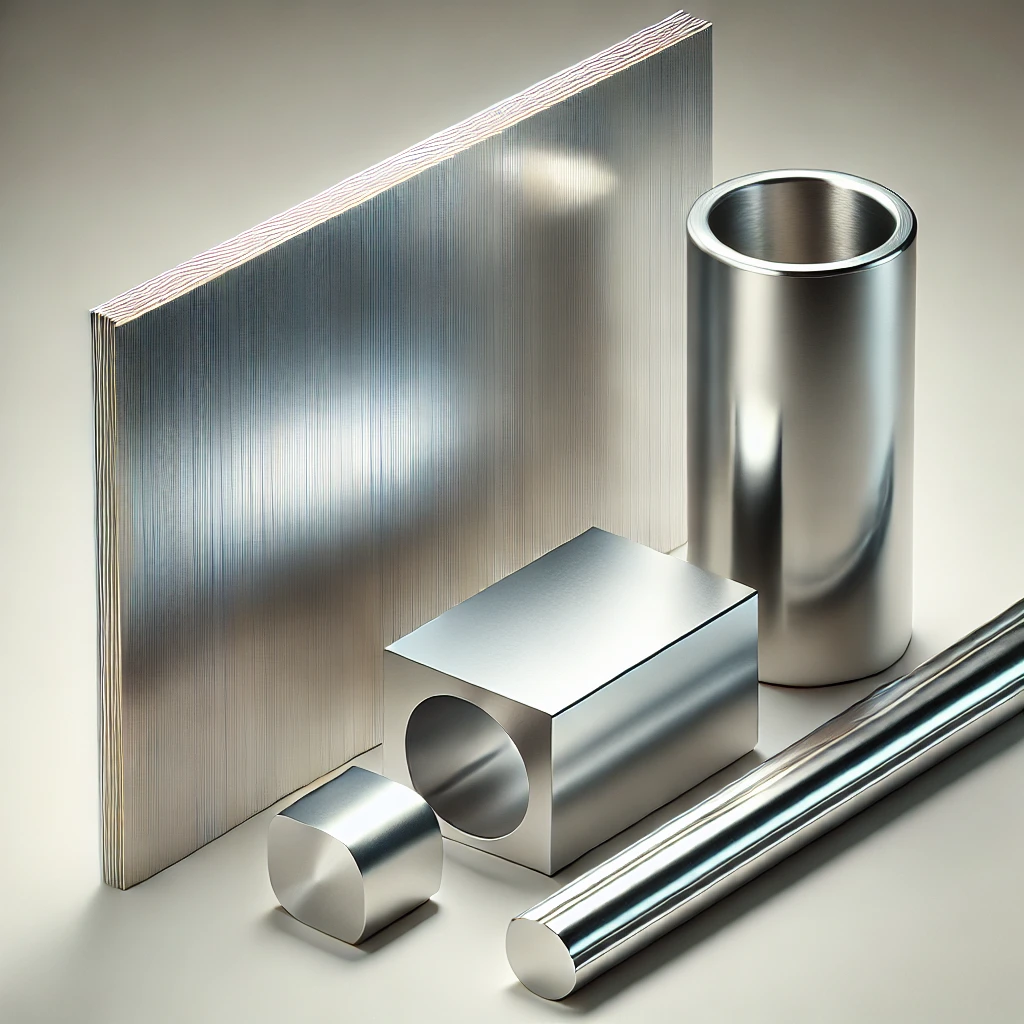
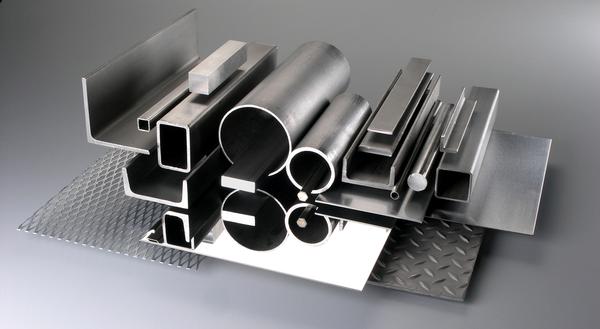
- Steel Sheet Metal: Thin, flat steel ideal for signs due to its smooth surface, allowing for high-quality printing, engraving, or painting. It is easily cut and shaped for custom designs.
- Steel Round Bar: Cylindrical steel used for structural support and sign mounting. It’s strong and durable, often used for frameworks or decorative elements in signage.
- Steel Square Bar: Steel with a square cross-section, used for frames, supports, or posts in signage. It’s easy to weld and shape, providing strength and a clean, modern appearance.
Steel is essential in signage for its strength, durability, and flexibility.
Di-Bond
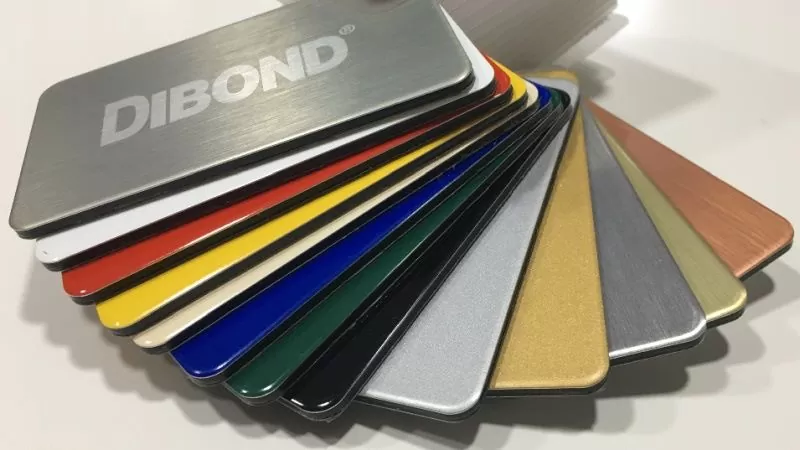
DiBond is a type of composite material made from two thin layers of aluminum with a solid polyethylene core. It is often used in signage, construction, and architectural applications due to its durability, lightweight properties, and ability to withstand outdoor conditions.
What it’s used for:
- Signage: DiBond is widely used for both indoor and outdoor signs, including real estate signs, directional signage, and business storefronts. Its resistance to weather and its smooth surface make it ideal for high-quality printing.
- Architectural Panels: It’s used for building facades, wall cladding, and decorative interior panels due to its sleek appearance and sturdiness.
- Exhibitions and Displays: The material is commonly used in trade shows and exhibitions for lightweight but sturdy display structures.
- Vehicle Graphics: DiBond is also used for creating graphics on vehicles, offering a long-lasting surface that can handle exposure to the elements.
Its combination of strength, lightness, and ability to be easily shaped, printed, and mounted makes DiBond a popular material choice for various applications.
WOOD
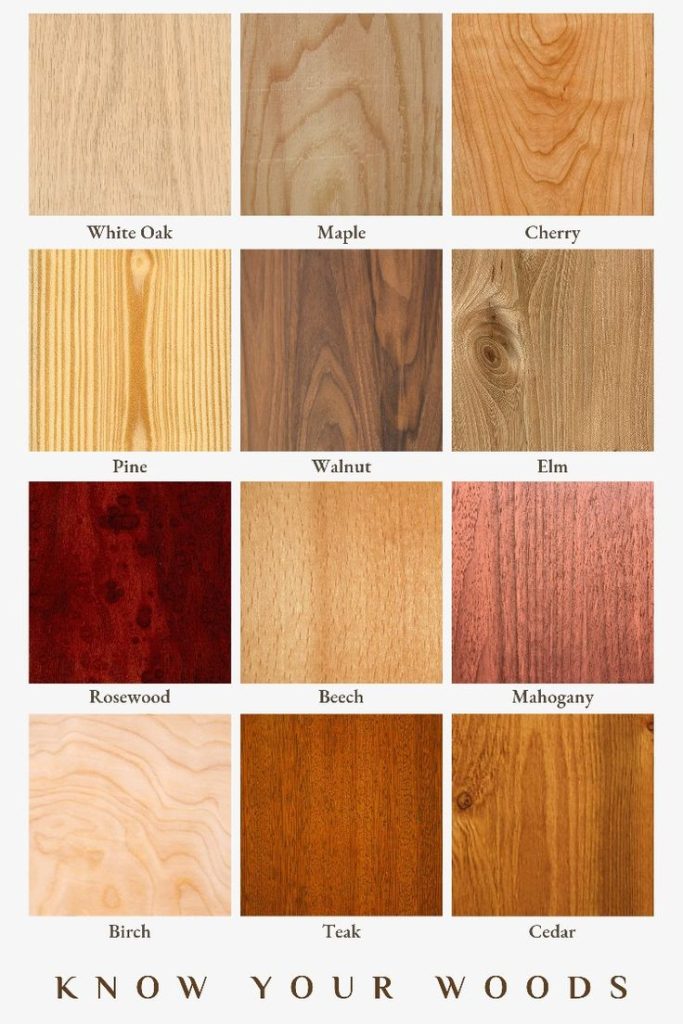
1. Oak
- Description: Strong hardwood with prominent grain, ranging from light to medium brown.
- Uses: Furniture, flooring, and barrels. Valued for durability and aesthetic appeal.
2. Pine
- Description: Light, softwood with a straight grain and visible knots.
- Uses: Furniture, shelving, and rustic designs. Affordable and easy to work with.
3. Maple
- Description: Dense hardwood with a fine, even grain. Light to golden in color.
- Uses: Cabinets, kitchenware, and flooring. Strong and smooth finish.
4. Walnut
- Description: Dark hardwood with rich, chocolate to purplish hues and tight grain.
- Uses: High-end furniture and decor. Known for its luxurious look.
5. Super Wood
- Description: Enhanced wood with superior strength and durability through engineering.
- Uses: Construction and high-performance applications like structural beams.
Why Wood in Signage:
Wood is used in signage for its natural aesthetic, versatility, and durability. It can be easily cut, carved, or engraved, allowing for custom designs. Wood signage also has a timeless, professional appearance and can withstand outdoor conditions when treated properly.